First Tattoo Tips: What Nobody Tells You Before Your First Ink
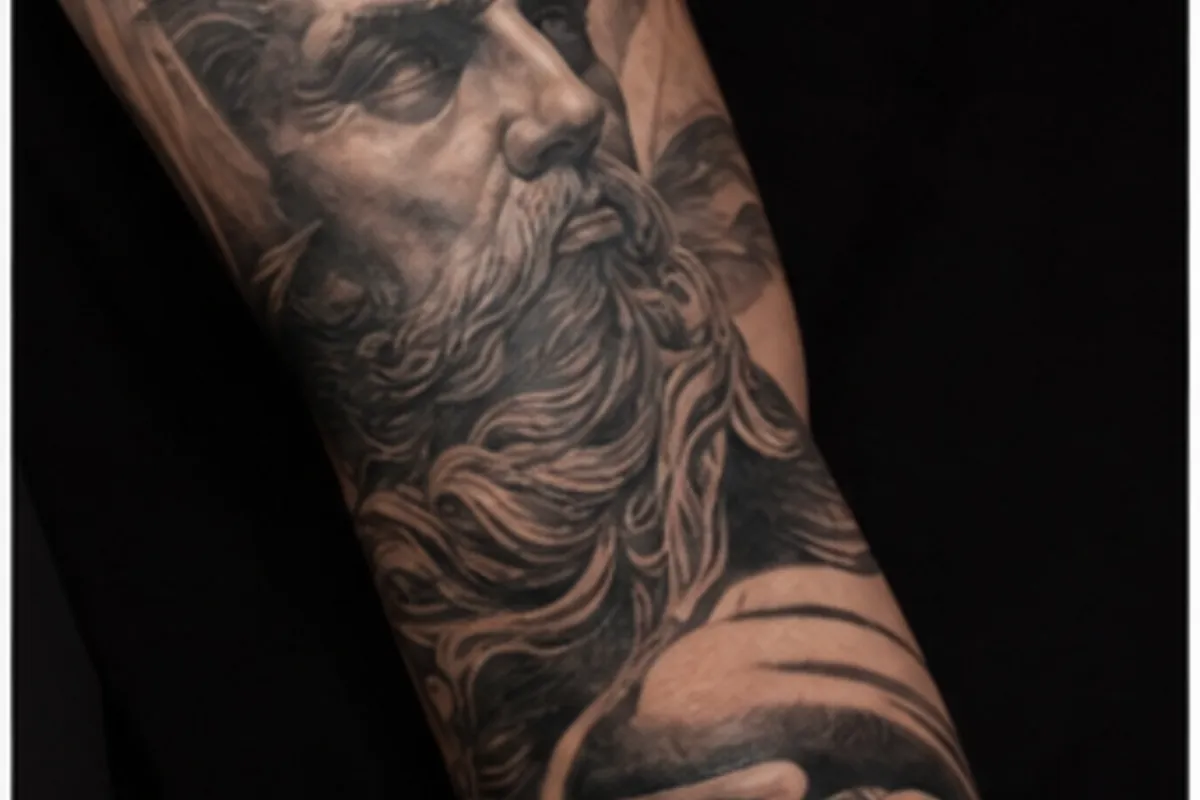
Getting your first tattoo is exciting and, for most people, a little nerve-wracking. The good news is that almost everything that goes wrong with a first tattoo is preventable, and it comes down to a handful of decisions you make before you ever sit in the chair. This guide is written by working artists and walks you through the whole thing in order: choosing a design and placement that still look good in ten years, what the pain and the cost really are, how to prepare your body, what actually happens during the session, and how to heal it cleanly. No vague pep talks — just the things we wish every first-timer knew.
Choosing a design that ages well
The single biggest regret we hear is not "I wish I hadn't got a tattoo" — it is "I wish I'd thought about the design a little longer." You do not need to overthink the meaning, but you do need to respect how tattoos age. Ink sits in living skin, and over ten or twenty years fine details soften, thin lines can spread, and very small text can blur into a smudge. A design that looks crisp on a screen at 300% zoom may not survive at the size of a postage stamp on your forearm.
Three principles keep a first tattoo looking good for decades. First, favour bold, confident linework over hair-thin detail — solid lines and clear negative space hold up; microscopic shading does not. Second, size it honestly: if your design has a lot going on, it needs room to breathe, so either simplify it or make it bigger. Third, be cautious with trends and other people's names. A style that is everywhere this year can date quickly, and relationships change. None of this means "play it safe and boring" — it means give the artist enough to work with so the piece stays readable as it ages.
Where to put your first tattoo
Placement affects three things at once: how much it hurts, how well it heals, and how it looks over time. For a first tattoo you generally want a spot that scores well on all three, which rules out a few of the areas beginners are most tempted by.
| Placement | Pain | Ages / heals | Good first tattoo? |
|---|---|---|---|
| Outer forearm | Low–moderate | Excellent, easy to keep clean | Yes — ideal |
| Upper arm / shoulder | Low | Excellent, well protected | Yes — ideal |
| Calf / outer thigh | Low–moderate | Very good | Yes |
| Ribs / sternum | High | Fine, but a tough first sit | Not for a first piece |
| Hands / fingers | Moderate–high | Fades fast, needs touch-ups | No |
| Feet | High | Fades, harder to heal cleanly | No |
| Inner elbow / back of knee | High | Fine once healed | Not for a first piece |
For most first-timers, the outer forearm or upper arm is the sweet spot: it hurts the least, heals the easiest, is simple to keep clean during the day, and you can see it (which, honestly, is part of the fun). Save the hands, feet, and ribs for when you already know how your skin takes ink and how you handle the chair.
Finding the right artist and studio
Your choice of artist matters more than your choice of design. A great artist can make a simple idea look stunning and will steer you away from something that will not work; a cheap or careless one can ruin a good idea and, worse, put your health at risk. Do not shop on price for your first tattoo.
Start by looking at portfolios, not prices. Every serious artist has an Instagram or a studio page full of healed work — not just fresh, glossy photos taken minutes after finishing. Healed photos tell you how the lines settled and how the shading held. Look for an artist whose existing work is in the style you want; a realism specialist and a bold traditional artist are not interchangeable. Then check the basics of the studio in person or on a call: it should be visibly clean, use single-use needles opened in front of you, have an autoclave for reusable tools, and be happy to answer questions about sterilisation. A professional will never be offended that you asked.
What it really costs (and tipping)
Tattoo pricing confuses first-timers because it does not work like a menu. Most studios have a shop minimum — usually around 80 to 150 dollars — which is the least you will pay even for something tiny. That minimum exists because setting up a sterile station, prepping the design, and the artist's time cost the same whether the piece is small or medium. Beyond the minimum, larger or more detailed work is usually charged by the hour, commonly 120 to 250 dollars an hour depending on the city and the artist's reputation, or sometimes as a flat quote for the whole piece.
So if you walk in asking for a small symbol expecting to pay 40 dollars, you will hit the shop minimum instead — that is normal, not a rip-off. On top of the price, tipping 15 to 25 percent is standard, the same as any skilled personal service. A good rule for a first tattoo: decide your budget, then choose a design and size that fits comfortably inside it including the tip, rather than stretching to the biggest piece you can barely afford.
How much it actually hurts
This is the question everyone asks and almost everyone overestimates. For most people, a tattoo feels like a hot, sharp scratching or a cat-scratch that keeps going — uncomfortable and a bit intense, but nowhere near the agony the internet suggests. Your body also releases adrenaline early in the session, which takes the edge off. The discomfort tends to build over long sittings, but a small first tattoo is usually finished before it becomes a problem.
Two things change the experience the most. The first is placement, as the table above shows — outer arm and thigh are gentle, ribs and feet are sharp. The second is your state going in: being rested, fed, hydrated, and calm makes a genuine difference, while turning up hungover, exhausted, or panicking makes everything feel worse. If you are anxious, tell your artist. A good one will explain each step, take breaks when you need them, and keep you talking so your mind is not fixed on the needle.
How to prepare the day before and day of
A little preparation turns a stressful appointment into an easy one. Your skin and your nerves both do better when you set yourself up properly.
- Sleep well — being rested genuinely lowers how much pain you feel.
- Drink plenty of water; hydrated skin takes ink more easily.
- Do not drink alcohol. It thins your blood, which means more bleeding, worse healing, and blurrier lines. Most studios will turn you away if you turn up drunk.
- Moisturise the area if your skin is dry, but skip lotion on the actual day.
- Eat a proper meal an hour or two before — a low blood-sugar dip in the chair is the number-one cause of light-headedness.
- Wear loose, comfortable clothing that gives easy access to the placement and won't rub the fresh tattoo on the way home.
- Bring a snack and water for anything over an hour, plus ID — reputable studios require proof you are 18 or over.
- Skip heavy caffeine and avoid painkillers like aspirin or ibuprofen, which also thin the blood; paracetamol/acetaminophen is fine if you need something.
What happens during the session
Knowing the sequence removes most of the anxiety. Here is how a typical first appointment runs. First, you and the artist finalise the design and its size, and they print or draw a stencil — a temporary outline placed on your skin so you can both check the position in the mirror before anything is permanent. Take this step seriously; this is your moment to adjust placement, angle, or size, and a good artist wants you completely happy before they start.
Next they shave and clean the area, set up a fresh sterile station with a new needle opened in front of you, and begin with the line work — the outline. This is often the sharpest part but also the quickest. Then comes shading and colour, which many people find feels softer, more like a warm scratch. The artist will wipe the area regularly and check in with you. When it is done, they clean it, apply a thin layer of ointment, and cover it with a protective wrap or a breathable adhesive film, then talk you through aftercare. Listen carefully and, if you can, take a photo of any written instructions.
Healing it without ruining it
How you heal a tattoo affects the final result as much as how it was applied. Fresh ink is an open wound, and the first two to three weeks decide how crisp and vibrant it stays. The surface heals in roughly two to three weeks — it will feel tight, scab lightly, and peel like a mild sunburn — while the deeper skin takes closer to two to three months to fully settle.
- Do follow your artist's specific instructions first — wrap timing varies with the covering they used.
- Do wash gently once or twice a day with clean hands and unscented soap, then pat (don't rub) dry.
- Do apply a thin layer of fragrance-free moisturiser or the balm your artist recommends — thin, not thick.
- Don't pick, scratch, or peel the flaking skin, however tempting. Picking pulls out ink and causes patchy, faded spots.
- Don't soak it — no baths, pools, hot tubs, or the sea for two to three weeks. Showers are fine.
- Don't expose it to direct sun while healing, and once healed, sunscreen is the single best thing for keeping it sharp for life.
The five most common first-timer mistakes
Nearly every first-tattoo problem we see falls into one of these five buckets — and every one is avoidable:
- Choosing on price. A bargain tattoo you regret costs far more to fix or remove than a good one would have cost in the first place.
- Going too small and too detailed. Cramming fine detail into a tiny space guarantees it will blur within a few years. Give the design room.
- Drinking before the appointment. Alcohol means more bleeding, poorer ink retention, and a studio that may refuse to tattoo you.
- Picking at the scabs. This is the top cause of patchy healing and the one thing entirely within your control.
- Rushing the decision. A design you have sat with for a few weeks is almost always better than one you booked on impulse. If in doubt, wait — the tattoo will still be there next month.
Get these five right and your first tattoo experience will be smooth, and you will almost certainly be planning your second before the first has finished peeling.
Key takeaways
- Design for aging: bold lines, honest sizing, and readable detail last decades; hair-thin micro-detail does not.
- Placement first: outer forearm, upper arm, calf, and thigh are the ideal low-pain, easy-heal spots for a first tattoo.
- Choose the artist, not the price: look at healed portfolios and demand a visibly clean studio with single-use needles.
- Budget realistically: expect an 80–150 dollar shop minimum, hourly rates beyond that, plus a 15–25 percent tip.
- Prep and heal well: sleep, eat, skip alcohol, and never pick the scabs — how you heal it is half the result.